Value people can recognize
Explain how the cross-border spending proposition addresses currency costs and day-to-day control.
 outpace
Monex / MONEX ONEInternational go-to-market strategy

Monex brought established foreign-exchange and international-payments experience to a younger, digitally connected audience. MONEX ONE’s proposition combined a prepaid, multi-currency card with a mobile experience for spending across borders.
Travelers, remote workers, and freelancers needed to understand why it belonged in their lives. A list of banking features alone would not answer that question.
Market research · Audience strategy · Positioning · Customer value · Brand direction · Acquisition planning · Go-to-market
Our strategy focused on globally mobile Mexicans, particularly Millennials and Gen Z. The common need was control over money across currencies, whether traveling, working remotely, or earning from international clients.
The proposed positioning centered on transparent pricing, real-time spending control, and the zero-FX-fee proposition described in the strategy. These gave the team concrete benefits to test instead of relying on the broad promise of a premium financial product.


MONEX ONE brand imagery. Our role centered on strategy and go-to-market guidance.
Explain how the cross-border spending proposition addresses currency costs and day-to-day control.
Make the app and instant controls part of the value, especially for customers accustomed to managing their lives on a phone.
Connect the new proposition to Monex’s experience in foreign exchange and international payments.
Product features reflect the proposition assessed in the engagement, not a statement of current product terms.
We compared the offer with competing financial products across fees, digital experience, customer fit, and travel benefits. That informed a channel plan built around how the target audience discovers, evaluates, and adopts financial products.
The plan combined performance advertising with trusted creators, financial education, referrals, and owned communications. Each channel had a different job to do.
Recommended marketing budget allocation
Test benefit-focused creative across Meta, TikTok, YouTube Shorts, and app campaigns. Retarget interested visitors and people who leave the app journey.
Work with creators in financial education, remote work, travel, and young entrepreneurship who can explain the product in an everyday context.
Build understanding through financial-literacy partnerships, webinars, editorial outreach, and executive thought leadership.
Give customers a reason to introduce others, with proposed referral incentives and ambassador activity.
Use useful content, email, in-app guidance, and referral prompts to help people move from interest to use.
This is the recommended investment mix. Channel acquisition costs and user volumes in the plan were estimates, not campaign results.
We translated the positioning into creative directions and a rollout sequence: prepare messaging and landing pages, run A/B tests, develop partnerships, introduce referrals, and optimize using campaign data.
The plan worked toward a target of 5,000 new users annually. That target shaped the acquisition model and channel estimates; it is not presented as an achieved result.
Our strategic consulting supported the marketing organization’s articulation of the opportunity to leadership, including the CEO and board-level decision process.
The work brought customer value, positioning, brand direction, and acquisition planning into one account of who the product was for and how it could reach them. That gave the team a more concrete basis for discussion and execution.
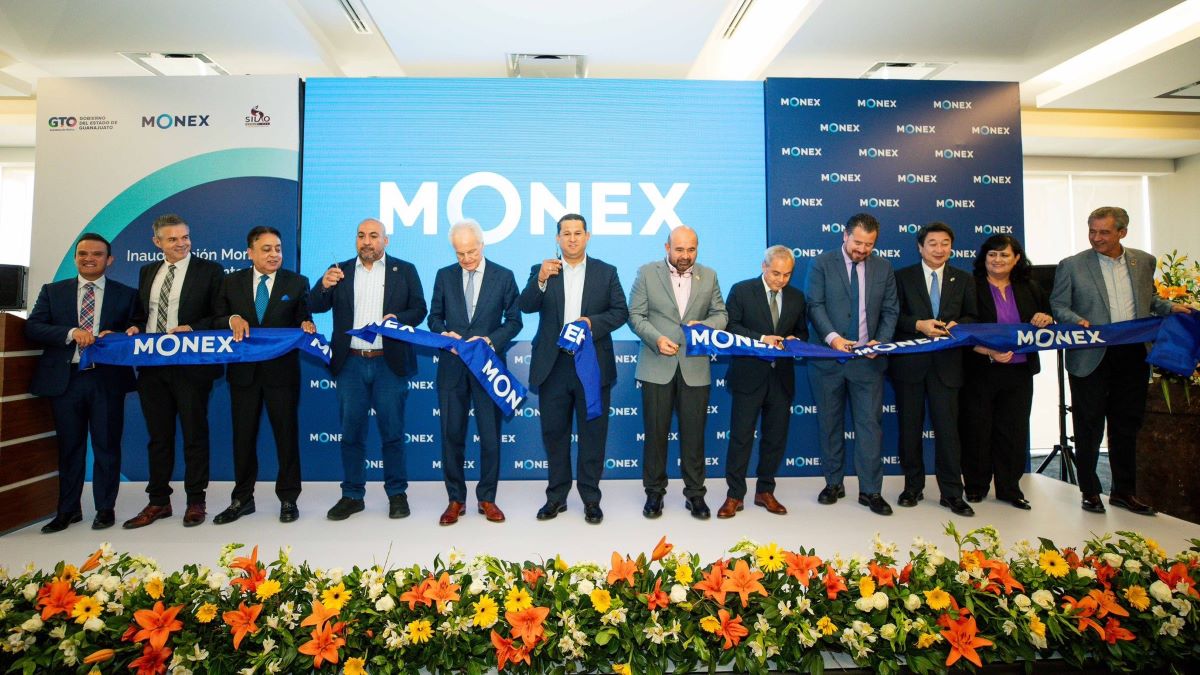
The product ultimately launched as MONEX ONE. Our contribution was strategic guidance: clarifying the audience and proposition, developing go-to-market recommendations, and supporting the business case. The final product and launch were Monex’s work.
Our contribution formed part of a team strategy engagement. Proposed channels, partnerships, and acquisition targets describe the plan, not claimed implementation or performance.